Title: From cell to PV system
Summary: PV cells convert sunlight into DC electricity; cells form modules, modules form arrays, and the system is completed with mounting, inverter, protection and monitoring.
Body:
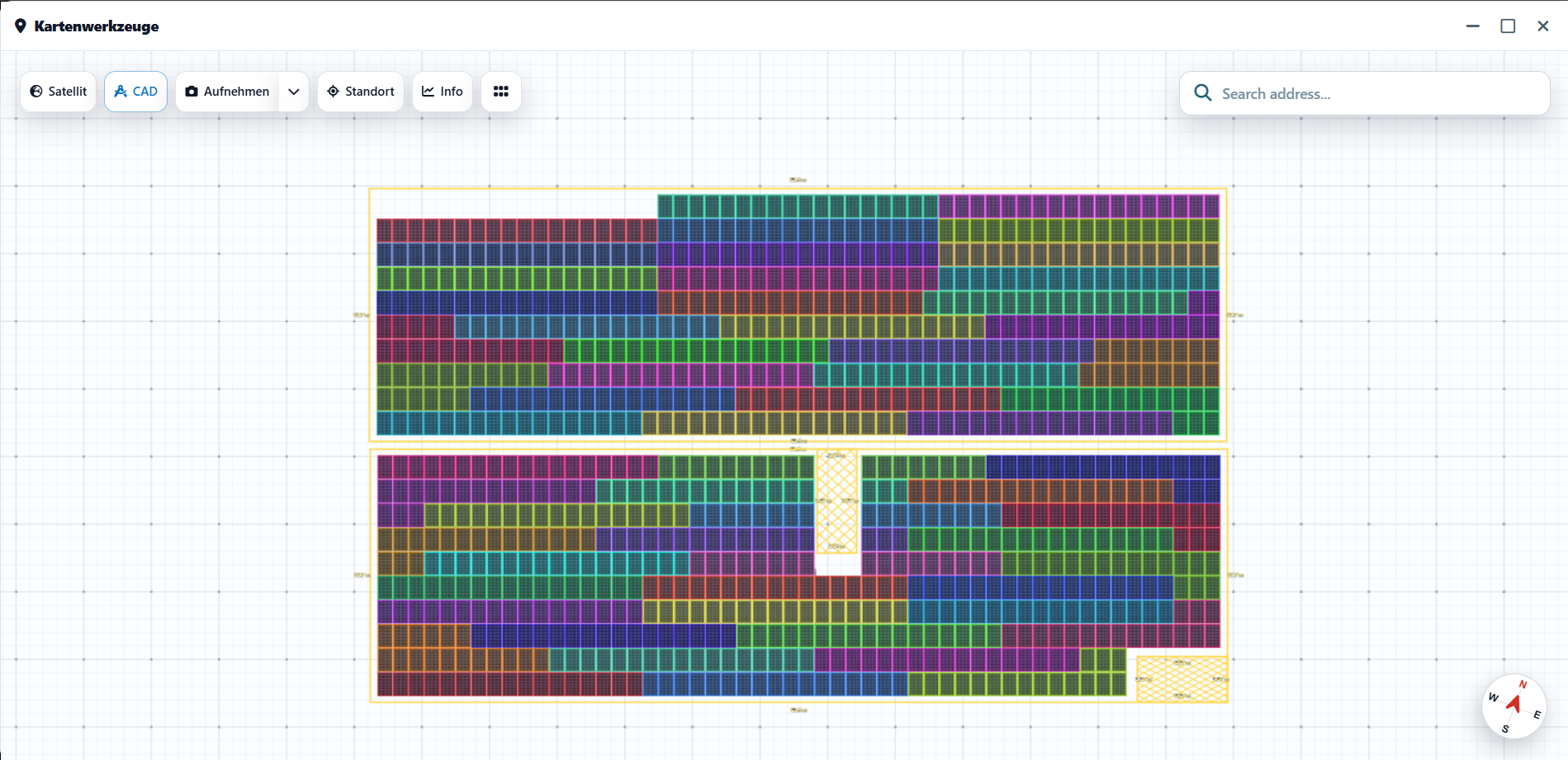
A PV cell is a small semiconductor device that converts sunlight directly into electrical energy. Cells are connected into modules or panels, and multiple panels become an array sized for the required power.
In practice, the panels are only one part of the system. The mounting structure, inverter, wiring, safety devices and monitoring are what make the generated electricity usable in a home, business or grid-connected project.
Sources:
- U.S. Department of Energy - Technology Basics | https://www.energy.gov/cmei/systems/solar-photovoltaic-technology-basics
- Renewable Energy Institute | https://www.renewableinstitute.org/solar-photovoltaic-everything-you-need-to-know/
---
Title: Layout, tilt and shading matter
Summary: Output depends on system size, location, orientation, tilt, shading, weather and temperature, so the best layout is a site-specific compromise.
Body:
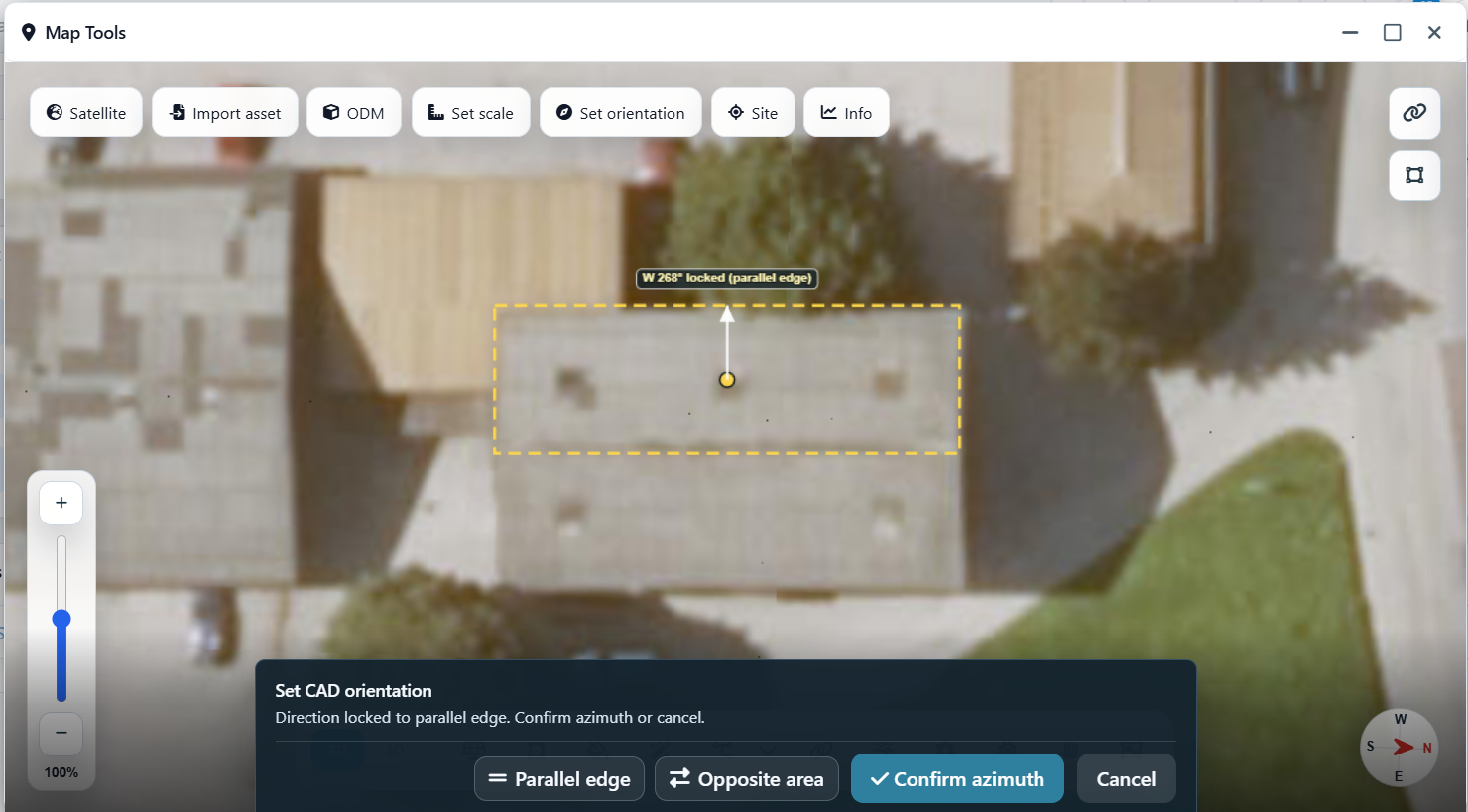
For fixed systems in the northern hemisphere, south-facing modules with a tilt close to the local latitude often provide strong annual yield. Ground-mounted systems may use trackers to follow the sun, but trackers add cost, complexity and maintenance.
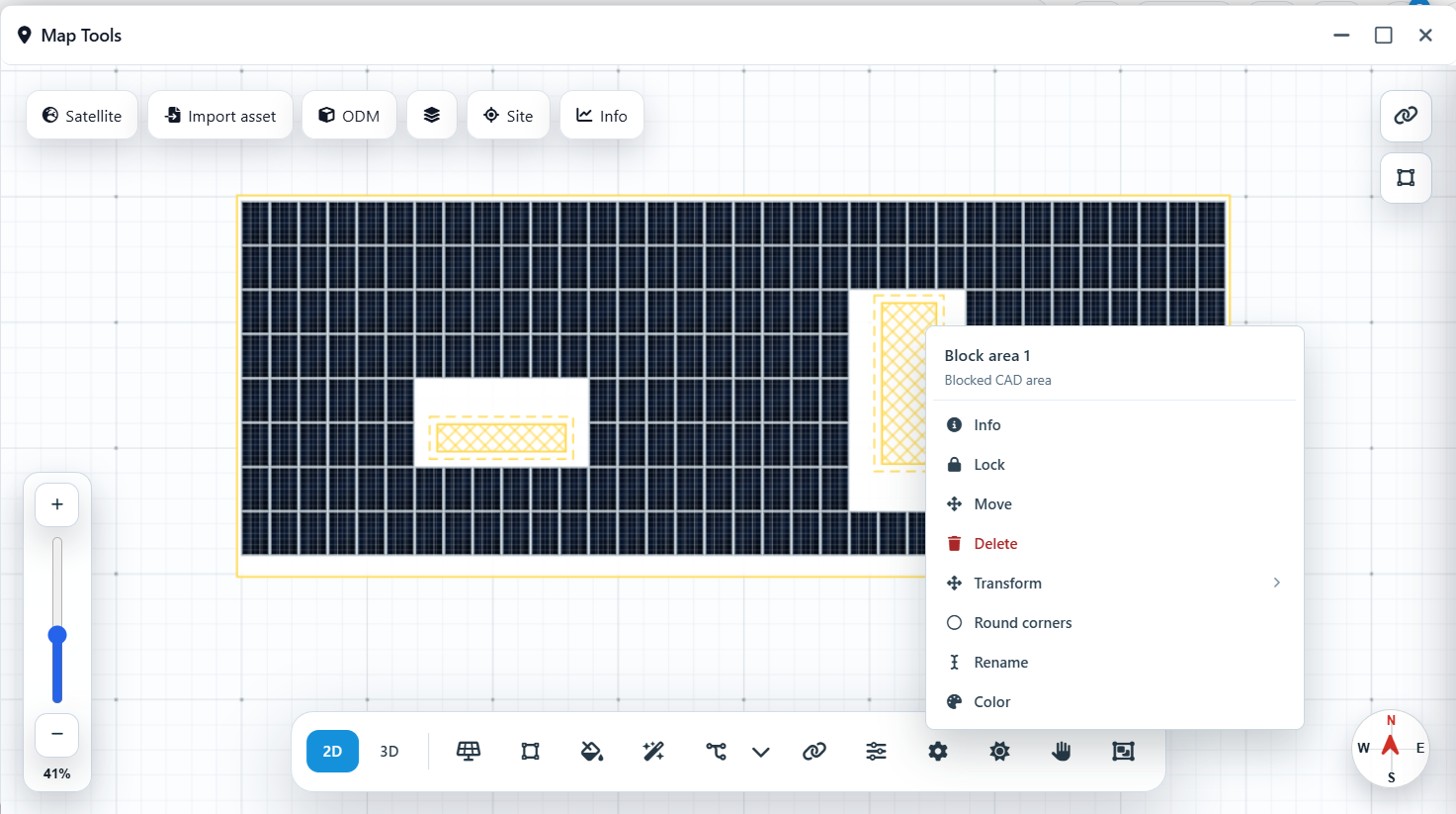
Real roofs and sites are rarely perfect. Shading from nearby objects, higher module temperatures, inverter efficiency and cable losses can reduce the expected output, so these factors should be included before final sizing.
Sources:
- U.S. Department of Energy - Design Basics | https://www.energy.gov/cmei/systems/solar-photovoltaic-system-design-basics
- Renewable Energy Institute | https://www.renewableinstitute.org/solar-photovoltaic-everything-you-need-to-know/
---
Title: Inverters connect DC solar to AC loads
Summary: PV modules produce DC electricity, while buildings and the grid mostly use AC, so the inverter is one of the most important design choices.
Body:
String inverters are usually simpler and less expensive to service. Microinverters allow panel-level operation, which can help when parts of the array are shaded or face different directions.
Smart inverters can also communicate with utility systems and support grid stability. In many projects, the inverter strategy affects monitoring, maintenance, safety behavior and future battery options.
Sources:
- U.S. Department of Energy - Design Basics | https://www.energy.gov/cmei/systems/solar-photovoltaic-system-design-basics
---
Title: Batteries change self-consumption
Summary: A PV battery stores excess solar energy for evening use, cloudy periods or backup loads, reducing dependence on immediate sunlight.
Body:
During strong production, solar power can first serve current loads and then charge the battery with surplus energy. Later, the stored energy is discharged and converted back to AC for the selected loads.
Common battery systems include the battery, hybrid or battery inverter, battery management system and monitoring. Important checks include capacity in kWh, power rating in kW, depth of discharge, round-trip efficiency, warranty and safe installation conditions.
Sources:
- BSLBATT | https://www.bsl-battery.com/news/what-is-a-pv-battery-system
- U.S. Department of Energy - Design Basics | https://www.energy.gov/cmei/systems/solar-photovoltaic-system-design-basics
---
Title: Monitoring protects long-term yield
Summary: Monitoring and maintenance help detect production drops, equipment faults and unusual behavior before small losses become expensive.
Body:
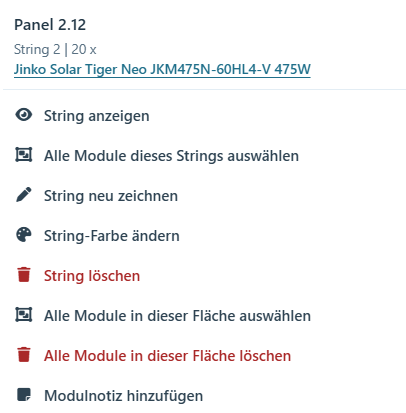
Digital monitoring usually tracks generation, system health and alerts in real time. This makes it easier to notice underperformance from shading changes, soiling, inverter issues or component failures.
Good maintenance combines visual inspection, cleaning where needed, electrical checks and data review. The goal is not only to repair faults, but to keep the system predictable through its full service life.
Sources:
- Renewable Energy Institute | https://www.renewableinstitute.org/solar-photovoltaic-everything-you-need-to-know/


 DASP Cloud
Dynamic Automated Systems Platform
DASP Cloud
Dynamic Automated Systems Platform